| “군민이 주인이라면서, 왜 군정은 군림하는가” 정보는 숨기고 책임은 회피… 해남군 행정, 지금 이대로 괜찮은가 ai호남뉴스 박충배 편집/칼럼/논설 aihnnewsr@kakao.com |
| 2026년 04월 29일(수) 14:14 |
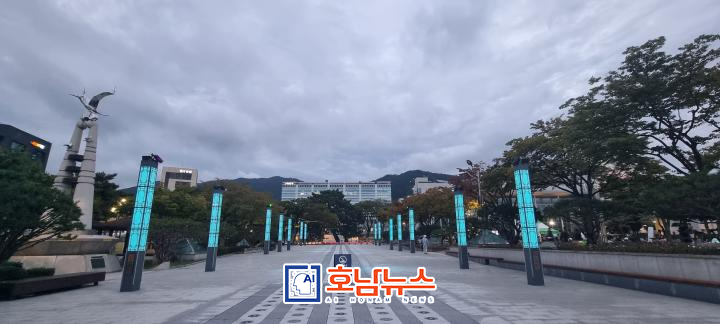 해남군청 전경 / 사진제공=박충배 논설 |
【전남·광주=AI호남뉴스】 aihnnews@kakao.com
대한민국의 주권은 국민에게 있고, 지방자치의 주인은 군민이다.
그렇다면 해남군의 행정은 과연 이 원칙 위에 서 있는가. 지금 해남군이 보이고 있는 모습은 ‘군민을 위한 행정’이 아니라 ‘군민 위에 군림하는 행정’에 가깝다.
행정의 기본은 투명성과 책임이다. 그러나 해남군의 최근 행태는 이 기본조차 지키지 못하고 있다는 비판을 피하기 어렵다.
■ 도로 위 방치된 ‘행정의 무책임’… 책임 없는 권력은 오만이다
도로변에 방치된 차량들이 장기간 정리되지 않고 사실상 ‘흉물’로 남아 있는 상황은 단순한 관리 부실을 넘어 행정 책임의 부재를 보여준다.
법을 집행해야 할 행정이 오히려 법적 의무를 방기하고 있다면, 이는 명백한 직무유기다. 더 큰 문제는 이러한 상황에 대해 어떠한 책임 있는 설명이나 조치도 없다는 점이다.
책임지지 않는 권력은 결국 오만으로 변질된다.
■ 세금은 쓰면서, 정보는 숨긴다? ‘비밀’ 뒤에 숨은 행정
매월 수억 원대의 군민 세금이 투입되는 사업에 대해 “사기업의 비밀유지”를 이유로 정보 공개를 회피하는 행태는 납득하기 어렵다.
공공 재정이 투입되는 순간, 그 사업은 더 이상 ‘사적 영역’이 아니다.
정보공개는 선택이 아니라 의무다. 이를 회피하는 것은 군민의 알 권리를 침해하는 것이며, 민주주의의 근간을 흔드는 행위다.
■ 솔라시도 사업, 왜 약속은 지켜지지 않는가.
솔라시도 김치 원료 보관창고 부지의 등기 문제 역시 심각하다.
이미 토지 비용이 지급되었고, 특정 시점까지 등기가 완료될 것이라는 행정의 공식 답변이 있었음에도 불구하고, 약속은 지켜지지 않았다.
그 이유조차 공개하지 않는다면 이는 단순한 지연이 아니라 ‘불투명 행정’의 전형이다.
또한 생태공원 조성과 관련한 대규모 예산 집행 과정 역시 명확한 설명이 부족하다.
수억 원이 투입된 사업이라면 그 목적, 집행 과정, 효과에 대해 군민이 이해할 수 있도록 공개하는 것이 최소한의 책임이다.
■ 보조금은 누구를 위해 쓰이는가… 선택적 공개는 ‘은폐’다
해남군이 교부한 사회단체 보조금이 수십, 수백 건에 달한다는 점은 이미 지역사회에 널리 알려져 있다.
그럼에도 일부 자료만 제출하고 다수의 보조금 집행 내역을 공개하지 않는다면 이는 단순한 행정 편의가 아니라 ‘의도적 축소’로 해석될 수밖에 없다.
공적 자금의 사용 내역을 감추는 순간, 행정은 신뢰를 잃는다.
■ 55억 원 수변공원 사업… 군민은 배제된 채 진행되는 개발
해남읍 금강저수지 수변공원 조성 사업 역시 문제의 본질은 같다.
수십억 원의 예산이 투입되는 사업이지만, 군민과의 충분한 소통과 정보 공개는 찾아보기 어렵다.
도비와 군비가 절반씩 투입되는 공공사업이라면, 그 계획과 집행 과정은 철저히 군민에게 공개되어야 한다.
그러나 현실은 ‘설명 없는 추진’, ‘참여 없는 개발’이다.
■ 지방자치는 권력이 아니라 책임이다
지방자치는 행정 권한을 확대하기 위한 제도가 아니다.
군민에게 더 가까이 다가가고, 더 투명하게 운영하라는 ‘책임의 확대’다.
지금 해남군에 필요한 것은 새로운 사업이 아니다.
군민을 대하는 태도의 전면적인 전환이다.
군민은 더 이상 침묵하지 않는다.
세금이 어디에 쓰이는지, 행정이 무엇을 하고 있는지, 그리고 왜 숨기고 있는지 묻고 있다.
그 질문에 답하지 못한다면, 해남군 행정은 더 이상 ‘군민의 행정’이라 부를 수 없다.
군민이 주인이라면, 행정은 답해야 한다. 지금 당장.
【Editorial】
【Jeonnam·Gwangju = AI Honam News】 aihnnews@kakao.com
“If the People Are the Owners, Why Does the Administration Rule Over Them?”
Subheadline: Hiding information, evading responsibility… Is Haenam County’s administration acceptable as it is?
The sovereignty of the Republic of Korea resides in its people, and the true owners of local governance are its citizens.
Then is the administration of Haenam County truly grounded in this principle? What we are witnessing today is not an administration that serves its people, but one that stands above them.
The fundamentals of governance are transparency and accountability. Yet Haenam County’s recent conduct makes it difficult to deny that even these basic principles are being neglected.
■ Irresponsibility on the Roads… Power Without Accountability Breeds Arrogance
Vehicles abandoned along roadsides and left unattended for extended periods have effectively become public nuisances. This is not merely poor management—it reflects a deeper absence of administrative responsibility.
If an authority tasked with enforcing the law fails to fulfill its own legal obligations, it constitutes a clear dereliction of duty. More troubling is the lack of any explanation or corrective action.
Power without accountability inevitably turns into arrogance.
■ Using Public Funds While Hiding Information? Administration Behind the Veil of “Confidentiality”
It is difficult to accept that projects funded by hundreds of millions of won in taxpayer money each month are shielded from disclosure under the pretext of “corporate confidentiality.”
Once public funds are involved, the matter is no longer private.
Disclosure is not optional—it is an obligation. Avoiding it infringes upon the public’s right to know and undermines the foundation of democracy.
■ Solar City Project: Why Are Promises Not Being Kept?
The issue surrounding the land registration of the kimchi raw material storage facility in Solar City is equally serious.
Despite the land cost having been fully paid and an official administrative statement promising registration by a certain date, the commitment has not been fulfilled.
Failing to disclose the reason is not merely a delay—it is a textbook example of opaque governance.
Likewise, large-scale budget expenditures for the ecological park lack sufficient explanation.
When billions of won are spent, the purpose, process, and outcomes must be clearly communicated to the public. That is the minimum responsibility of governance.
■ Who Benefits from Subsidies? Selective Disclosure Is Concealment
It is widely known that Haenam County has provided subsidies to numerous civic organizations—possibly in the dozens or even hundreds.
Yet providing data on only a handful while withholding the majority cannot be seen as mere administrative convenience; it raises concerns of intentional minimization.
The moment public funds are concealed, public trust is lost.
■ 5.5 Billion Won Waterfront Park Project… Development Without Public Inclusion
The issue is no different with the waterfront park project at Geumgang Reservoir in Haenam-eup.
Despite tens of billions of won in public funding, there has been little evidence of sufficient public communication or transparency.
A project funded equally by provincial and county budgets must be fully disclosed and shared with the people.
Instead, what we see is development without explanation and progress without participation.
■ Local Autonomy Is Not Power—It Is Responsibility
Local autonomy is not a system designed to expand administrative power.
It is a system that demands greater responsibility, closer engagement with citizens, and higher transparency.
What Haenam County needs now is not another new project.
It is a fundamental shift in how it treats its citizens.
The people are no longer silent.
They are asking where their taxes are going, what the administration is doing, and why information is being withheld.
If these questions cannot be answered, Haenam County can no longer claim to be an administration of the people.
If the people are the owners, the administration must respond—now.
 ai호남뉴스 박충배 편집/칼럼/논설 aihnnewsr@kakao.com